You’ve darkened the room, taken some ibuprofen and finished that glass of water- but still that one-sided headache persists.
What if the actual issue wasn’t your head, but maybe the neck?
Have you ever noticed that your headaches seem to flare up after a long day at the desk, or a specific way you turned your head? Most people treat every headache with the same ‘dark room and a pill’ routine-only to have the pain come right back.
If you feel like you’re constantly chasing symptoms without finding the actual root issue, maybe it’s time to look a few inches lower. Use this quick 5-point screen to see if your neck is the silent driver behind your pain:
Do you have:
- One sided head pain
- Pain triggered by neck movement, or sustained awkward positions
- Reduced neck range of motion (specifically turning, more specifically Flexion-Rotation Test)
- Pain with pressure of upper cervical joints
- Moderate to Severe, non-throbbing, non-lancing pain
How many of these symptoms check the box for you?
If you said YES to these, chances are your neck may be contributing to your headaches. These headaches are called Cervicogenic Headaches and are cause by disorders of the bones, discs, nerves, or muscles of the neck.
So you’ve just diagnosed yourself, now what??
Treatment of these headaches focuses on the neck and includes spinal manipulation, soft tissue mobilization, and exercise.
Yes! They are treatable! Our process varies person to person, but typically includes:
- spinal manipulation
- cupping/scraping
- self management exercises and movements
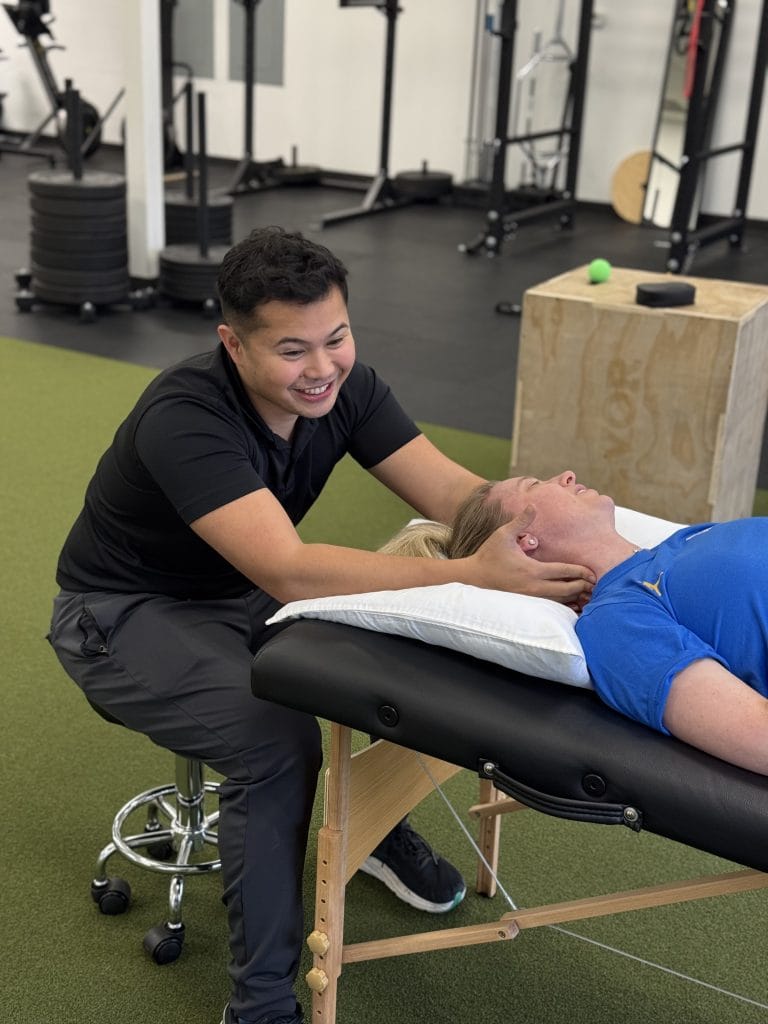
If you checked more than two boxes above, there is a high probability your neck is the culprit. Don’t let a mechanical neck issue turn into a chronic headache cycle.
Obligatory caution: **There are many causes of headaches. Some very serious. Seek out specialized treatment by a skilled clinician.
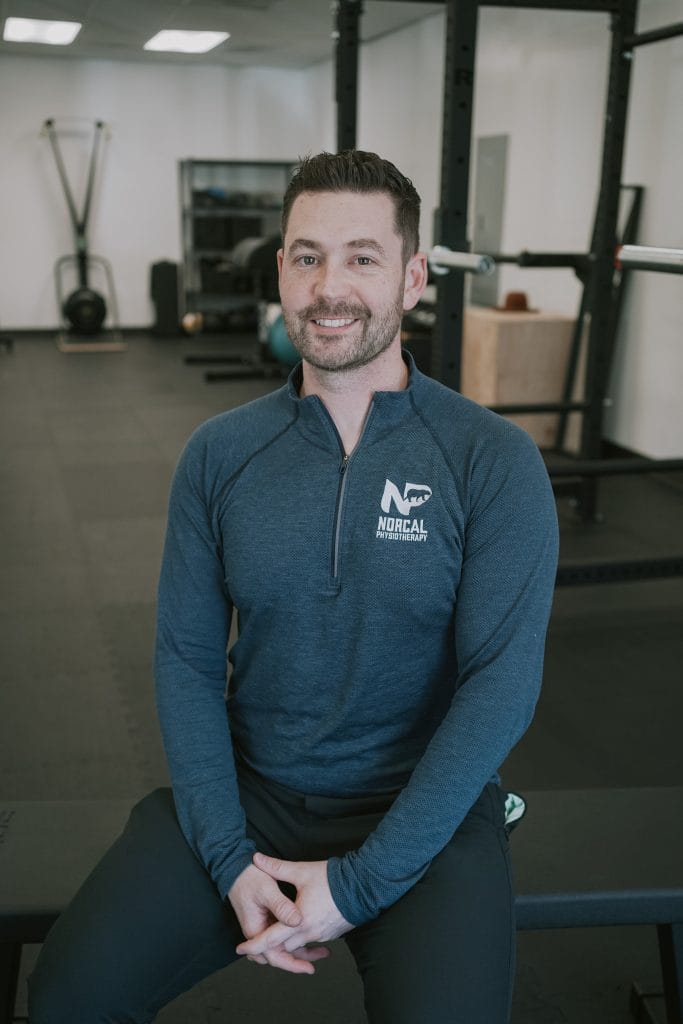
The Author:
Dr. Caleb Kauffmann, PT, DPT, Cert SMT/DN, Dip Osteopractic, FAAOMPT, is the owner of NorCal Physio and specializes in helping athletes improve performance while reducing injury risk. He works extensively with combat, barbell, and endurance athletes using a performance-focused rehabilitation approach.